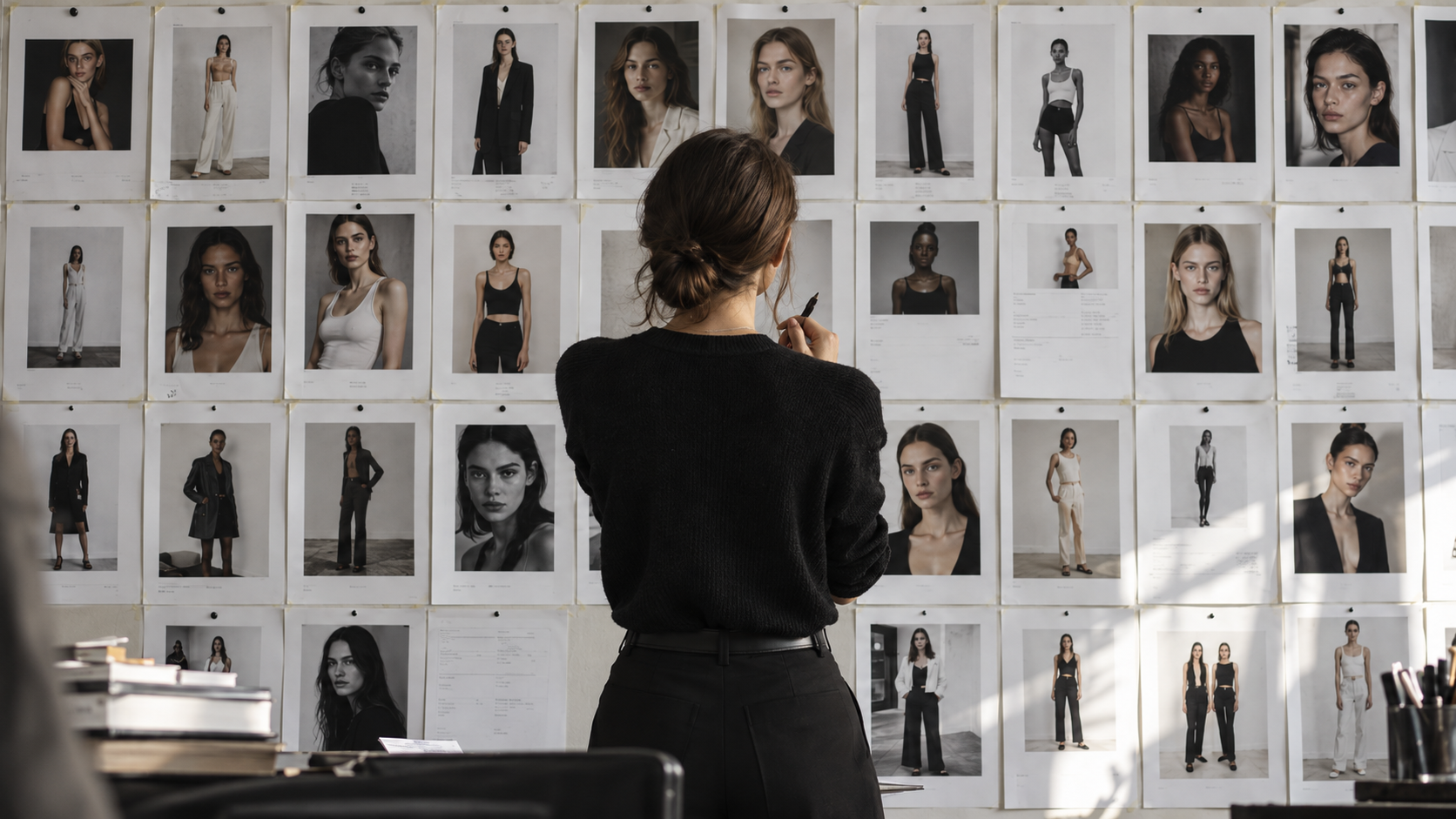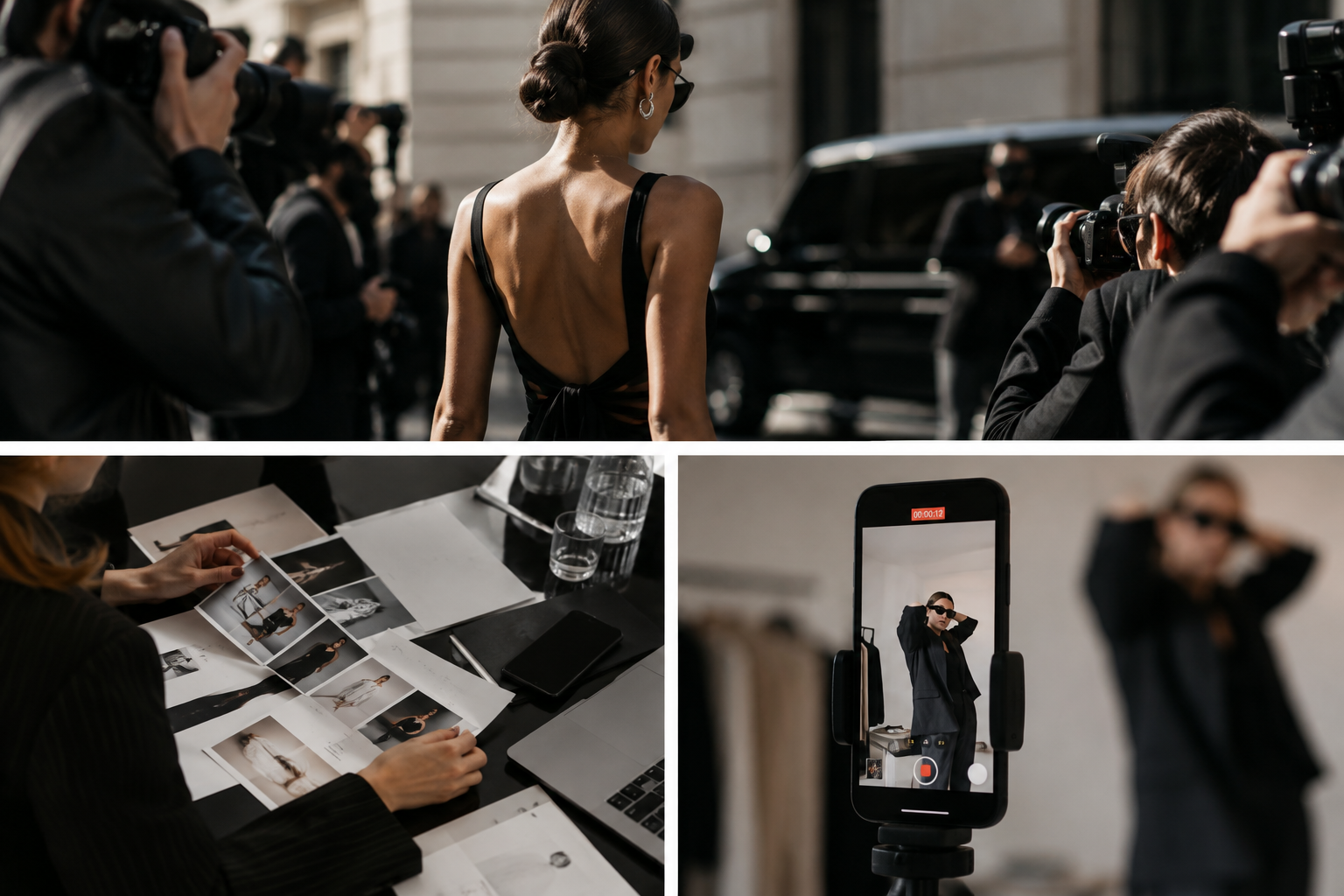
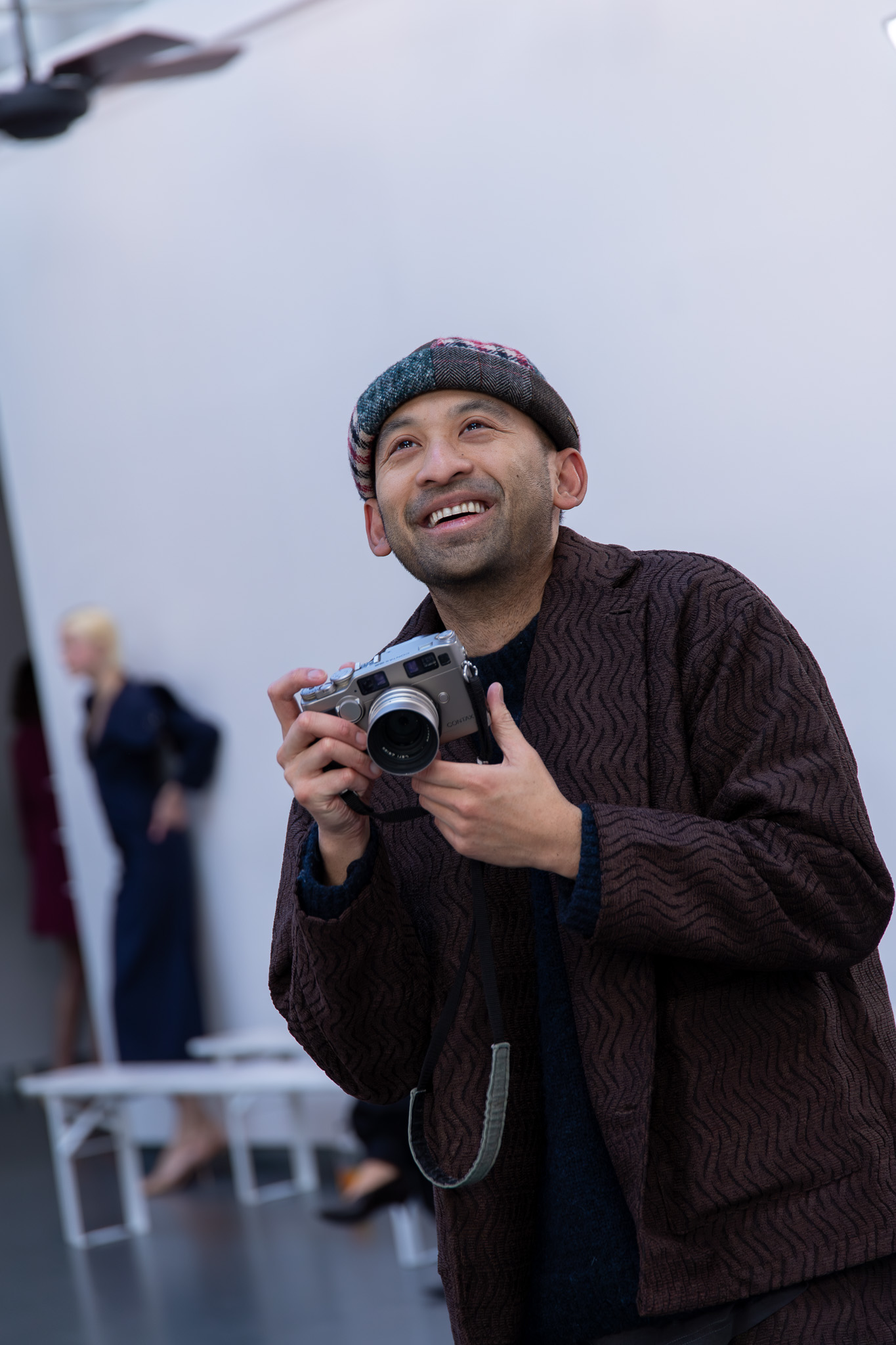
Can we really Make a living from photography Freelancing in 2026? The answer is yes, but with nuances. The French market has around 38,000 active professional photographers, 60% of whom work independently. Among them, only 30% generate an annual income in excess of €30,000 (source: INPI 2025).
These numbers reveal a reality: to become freelance photographer Viable requires much more than talent. You need technical skills, adapted equipment, a customer network, and a solid legal structure. Without a clear methodology, you will join the 70% who are struggling to reach the SMIC.
This comprehensive guide gives you the complete road map to go from beginner to profitable freelance fashion photographer. Training, equipment, pricing, customers, legal status: all aspects of the business deciphered with numerical data and actionable advice.
On the program:
- The essential skills of a fashion photographer
- Training and apprenticeships: school vs self-taught
- Photo equipment: beginner and pro investments
- Finding your first customers and building your portfolio
- Pricing: how much to charge in 2026?
- Legal status and administrative aspects
- Develop your business and make a living from your art
The essential skills of a fashion photographer
Photo technique: the non-negotiable basis
One professional fashion photographer perfectly controls the exposure triangle: aperture, speed, ISO. This technical trinity determines the final quality of each image. In fashion, where visual perfection is required, no approximation is tolerated.
The fundamentals you should definitely master:
Light Management : Understand natural vs artificial light, know how to read a scene, anticipate shadows and reflections. Fashion makes extensive use of studio flash (strobes) and modifiers (softbox, octabox, umbrellas). You must be able to create any lighting environment on request.
Composition and framing : Rule of thirds, guidelines, selective depth of field. In fashion, the composition serves the garment and the mannequin simultaneously. The eye should be directed to the key elements: textile material, cut, model attitude.
Art direction : A fashion photographer doesn't just shoot. He directs the model (poses, expressions, dynamics), coordinates with the stylist and makeup artist, checks the consistency of each element in the frame. This relational dimension is crucial.
Post-production: the other half of the job
Shooting represents 50% of the work. The complete post-processing. Lightroom and Photoshop are the absolute industry standards. No customer will take you seriously without mastering these tools.
Lightroom manages the global workflow: import, sorting, RAW development, color corrections, batch export. A shooting mode generates 300-800 raw images. You need to optimize 50-100 deliverables in a few hours at most.
Photoshop refines the finish: skin retouching (frequency separation), subtle morphology correction, deep cleaning, creative effects. Pay attention to balance: the customer wants something professional, not an overworked Instagram.
Fashion photo editing follows specific codes. Learn them by analyzing professional campaigns (Vogue, ELLE, brand campaigns). Compare before and after, analyze the interventions, reproduce the techniques.
Culture, fashion and trend monitoring
An effective fashion photographer understands the industry they serve. Know the codes of your client brand: a Hermès campaign has nothing to do with an Instagram streetwear story. This stylistic adaptation can be cultivated.
Active standby recommended :
- French fashion magazines (ELLE, Marie Claire, L'Offical, Numéro)
- Reference Instagram accounts (@voguerunway, @britishvogue, @id_magazine)
- Lookbooks, brands and seasonal campaigns
- Paris Fashion Week shows (free streaming on Vogue.com)
This visual culture nourishes your eye, refines your aesthetic, and keeps you connected to the trends your customers are looking for.
Photography training: school or self-taught?
Schools and diploma courses
France has several renowned schools training in the fields of fashion photography. The main ones: EFET Photography, Spéos Paris, École de Condé, ETPA Toulouse. Average cost: 6,000 to 12,000 euros per year.
School advantages:
- Structured and comprehensive technical training
- Professional equipment access (equipped studios)
- Alumni network and industry contacts
- Agency/studio internship generally included
- Recognized diploma (assistance with banks, corporate customers)
Disadvantages:
- High cost (30,000-50,000 over 3 years)
- Training that is sometimes theoretical, not very business-oriented
- No guarantee of post-graduation employability
- Imposed pace, less flexible
Schools are excellent at structuring technical learning. They often focus on the entrepreneurial dimension: finding customers, billing, negotiating. These business skills are acquired in the field.
Self-taught learning: viable in 2026?
Yes, absolutely. Around 40% of French freelance photographers have no formal photo diploma (Freelance.com 2024 study). They learned via YouTube tutorials, online courses, intensive practice, and assistantship.
The best self-taught resources:
Online courses (200-1500€):
- Domestika : Fashion photo courses by professionals (30-90€/class)
- Udemy: Complete Lightroom/Photoshop Courses (10-50€)
- Tuto.com: Technical and creative French tutorials (20-80€)
- Free YouTube: Mango Street, Peter McKinnon, Sorelle Amore Fashion
Reference books:
- “The Complete Guide to Digital Photography” - Michael Freeman
- “Studio Anywhere” - Nick Fancher (portable lighting)
- “Picture Perfect Practice” - Roberto Valenzuela
Field practice:
- TFP (Time For Print) with beginner models: you exchange time for portfolio photos
- Confirmed photographer's assistant (free or 50-100€/day)
- Regular personal projects (1 shooting/week minimum)
The viable autodidact requires military discipline. Program yourself 15-20 hours of training/week for 6-12 months. Theory in the morning, practice in the afternoon. Without this rigor, you will stagnate amateur.
The recommended hybrid route
The optimal course combines both approaches. Short specialized training (3-6 months) to acquire solid technical foundations, then self-taught learning focused on your specific shortcomings.
Viable model program:
- Intensive fashion photo training (3 months, 3000-5000€)
- Professional photographer assistant (6 months, paid or volunteer)
- Post-production online training (2 months, 500€)
- Freelance launch with first test customers
This combination optimizes financial investment and time. You structure your technique quickly, then specialize according to your real market needs.
Fashion photo equipment: necessary investments
Beginner kit: the essentials (2500-4000 €)
Starting out in fashion photography does not require €15,000 worth of equipment. A coherent kit of 3000€ makes it possible to produce professional images. Prioritize optical quality and light over the pixel race.
Case (1000-1500€):
- Canon EOS-R6 or Sony A7 III (acceptable opportunity)
- 20-24 megapixels are more than enough (the A7III is 24MP)
- Priority to the increase in clean ISO and efficient autofocus
- Avoid buying new: a used 2-3 year old pro case is excellent
Objectives (800-1200€):
- 50mm f/1.8 (300€): classic portrait, bokeh, versatile
- 85mm f/1.8 (400€): tight portrait, flattering, essential fashion
- Tight budget? Only start with the 50mm f/1.8
Lighting (500-800 €):
- Godox AD200 flash (350€): powerful, portable, TTL
- Softbox 90x90cm (80€): soft light portraits
- 5-in-1 reflector (30€): versatile and essential
- Solid light stand (40€)
Accessories (200-500€):
- Fast SD cards (64-128GB, 2-3 cards minimum)
- Professional camera bag protective and organized
- Extra battery casing
- 2TB external hard drive saves
This kit allows you to shoot fashion portraits, e-commerce, lookbooks in the studio or outside. You can charge 300-600€ for half a day with this equipment. The upgrade will come with the revenue generated.
Professional kit: profitable investment (8000-15000€)
After 12-18 months of activity, if the income follows, professionalize your equipment. This investment improves quality, speed of work, and customer credibility.
Pro case (2500-4000 €):
- Canon EOS-R5 or Sony A7R V
- 45+ megapixels (easy crop and retouching)
- Fast burst (12-20 fps) to capture the perfect moment
- Dual card slots (data security)
Optical park (3000-5000€):
- 24-70mm f/2.8 (1500€): multi-purpose studio and outdoor
- 85mm f/1.4 (1200€): premium fashion portrait
- 35mm f/1.4 (900€): report, environmental context
Studio lighting (2000-4000 €):
- 2x 300-500W studio flashes (Profoto, Elinchrom)
- Softbox large 120x120cm
- Octabox 150cm (enveloping light)
- Honeycomb grid and Beauty dish
- Professional wireless trigger
Post-production (1000-1500€):
- MacBook Pro/powerful PC (i7/i9, 32GB RAM, calibrated screen)
- Wacom graphics tablet (precise retouching)
- Calibrated secondary screen (color consistency)
This level of equipment positions you for any customer request. Prestigious studios, demanding brands, high-definition campaigns: you can accept anything.
Renting vs buying: optimal strategy
Equipment rental is an underrated but relevant option. For a 400mm f/2.8 lens used twice a year, the rental (€150/day) beats the purchase (€12,000).
Praise smartly:
- Very specialized lenses (tilt-shift, super-telephoto lenses)
- Heavy lighting equipment for large one-off shootings
- Backdrops/studio funds varied according to projects
Buy first:
- Case (daily tool)
- Basic optics (50mm, 85mm, 24-70mm)
- Essential portable lighting
- Post-production computer
Paris has several professional rental companies: Objective Bastille, Moncineoc, Blue Studio. Create accounts, compare rates, integrate rental into your major project quotes.
Finding your first customers: concrete strategies
Portfolio: your professional showcase
No customer will give you a budget without seeing your achievements. The portfolio is your number one business tool. It must exist in web version (personal site + Instagram) and physical version (printed book).
Building a portfolio of 0:
Phase 1 - Strategic TFP (0-3 months): Contact beginner models via platforms like Shaare Agency and offers TFP (Time For Print) collaboration. You offer shooting + retouching, they provide their image. Win-win.
Objective: 10-15 varied shootings (beauty, fashion, fashion, e-commerce, outdoor, studio). Diversify styles to prove your versatility. Each shoot generates 5-10 portfolio images.
Phase 2 - Personal projects (months 3-6): Develop personal photo series with an assertive concept. Rent a studio for 3 hours (100-150€), recruit a model and TFP makeup artist, create a coherent universe. These projects demonstrate your artistic direction.
Phase 3 - First paying customers (months 6-12): Your first paid missions (200-400€) enrich your portfolio of commercial references. Keep the best images, ask for permission to use.
Effective portfolio rules:
- 20-30 frames MAX (quality > quantity)
- Aesthetic coherence (avoid inconsistent patchwork)
- Diversity of skills (beauty, fullness, details, atmospheres)
- Quarterly update (remove the old one, add the new one)
Customer acquisition channels
Customers don't fall from the sky. Even with a solid portfolio, you need to actively prospect. Here are the 5 most profitable channels in 2026.
1. Instagram (free but time consuming): Your professional Instagram account is your 24/7 window. Post 3-4 times a week, use targeted hashtags (#photographie fashion #photographeparis #fashionphotographer), tag brands and models. Objective: 2000-5000 followers in 12 months.
2. Network and collaborations (maximum efficiency): Les stylists, makeup artists, models, art directors are your best prescribers. A satisfied designer recommends you to 5 clients. Work on your reputation and your network conscientiously.
Attend fashion events (showroom evenings, photo openings, Fashion Weeks). Hand out business cards, exchange Instagram, really follow them. The Parisian fashion network is dense but accessible.
3. Freelance platforms (first contracts):
- Malt : numerous requests: e-commerce shootings, corporate portraits
- Shaare Agency : direct connection with models and brands looking for photographers
- Comet : well-paid corporate missions
These platforms generate a steady flow of requests. The commission (10-20%) is offset by volume and ease.
4. Direct brand prospecting (daring but profitable): Identify 30 Parisian fashion brands that align with your style. Send personalized email with portfolio link and collaboration proposal. Low response rate (5-10%) but the contracts are solid.
5. Model agencies and photo studios: Parisian agencies regularly subcontract freelance photographers for model books. Standard rate: 400-800€ per session. Contact Mannequins Paris to identify active agencies.
Freelance photographer pricing: how much to charge in 2026?
French market price list
Fashion photo pricing varies enormously depending on experience, customer, image usage. Here are the realistic ranges observed in Île-de-France 2026.
Beginner photographer (0-2 years old):
- Shooting portrait/book model: 200-400€ (2-3 hours)
- E-commerce fashion product: 300-500€ (half-day, 20-40 products)
- Small brand lookbook: 400-700€ (day, 30-50 looks)
- Fashion evening event: 250-400€ (3-4 hours)
Intermediate photographer (2-5 years):
- Professional mannequin book: 500-800€
- Shooting small brand campaign: 800-1500€ (day + retouching 20 images)
- E-commerce volume: 600-1000€ (day, 60-100 products)
- Fashion show report: 400-700€ (2-3h event)
Confirmed photographer (5+ years, solid references):
- Established brand campaign: 1500-3000€ (day + intensive post-production)
- Editorial magazine shooting: 1000-2000€ (day, limited rights)
- Photo collection direction: 2000-5000€ (2-3 days, complete concept)
Factors increasing prices:
- Extended user rights (digital + print + international + long term)
- Intensive post-production (high definition beauty editing)
- Team provided (assistant, heavy equipment rental)
- Emergency deadlines (less than 7 days between request and delivery)
Structure your quotes and avoid underbilling
The No. 1 mistake beginning photographers make: undervaluing their service to “get the client”. This strategy ruins your credibility and profitability. A price that is too low indicates amateurism, not opportunity.
Anatomy of a fashion photo quote:
Service: Shooting lookbook Spring-Summer 2026 collection
Duration: 1 day (8h)
Delivery: 40 high-definition retouched images
DETAIL:
- Studio/outdoor shooting: 600€
- Post-production 40 images: 400€ (10€/image)
- User fees (1 year, France, France, web + print): 300€
- Specific equipment (backdrop rental): €100
TOTAL TAX: 1400€
20% VAT: 280€
TOTAL TAX INCL.: 1680€
Conditions: 30% deposit upon order, balance upon delivery
Deadline: 10 working days post-shooting
This transparency reassures the customer and justifies your price. Separating shooting, editing, and rights also allows for modular negotiation.
Copyright and rights transfer: understanding the issue
In France, you keep automatically copyright on your photos. The customer pays to use them, not to own them. This legal nuance is financially crucial.
The 4 parameters of rights transfer:
- Duration : 1 year, 3 years, unlimited?
- Territory : France, Europe, World?
- Support : Web only, print only, all media?
- Exclusivity : Can he resell/lend the images?
The larger the transfer, the more you charge. A photo used for 1 year in France web only is worth 300€. The same photo used for 5 years, all over the world, all media, is worth €1500+.
Recommended standard clauses:
- Duration: 1-2 years (renewable against payment)
- Territory: France or Europe
- Support: Web + print (social networks, site, brochures)
- Exclusivity: Yes for the duration (customer does not share)
Consult a lawyer specialized in intellectual property to draft your CGV (General Terms and Conditions of Sale). An investment of €500-800 that secures your entire business.
Freelance photographer legal status: the complete guide
Micro-business: the gateway
90% of beginning freelance photographers choose the regime micro-entrepreneur (ex auto-entrepreneur). Administrative simplicity and reduced taxation make it the perfect status to test the activity.
Micro-business advantages:
- Free online creation (15 minutes) on autopreneur.urssaf.fr)
- Simplified accounting (income/expense book)
- Social charges in proportion to turnover (22% for liberal activity photo)
- VAT exemption (no invoicing or VAT recovery)
Micro-business limits:
- Annual turnover limit: €77,700 (2026)
- Limited expense deduction (34% flat rate allowance)
- No amortization of photo equipment
- Less “corporate” image with large customers
Micro-entrepreneur profitability calculation: Annual turnover: 40,000€ Social charges 22%: -8,800 € Income tax (TMI 30% estimated): -9,360 €
Approximate net income: €21,840 (1820€/month)
This status is perfect for launching the activity and testing viability. If you regularly exceed €50,000 in turnover, switch to a company.
SASU/EURL: the pro structure
Beyond 50-60K € CA per year, the real regime (SASU or EURL) becomes more fiscally advantageous. You create a company, invoices via it, and optimize your remuneration.
SASU/EURL advantages:
- No turnover limit
- Deduction of real expenses (equipment, premises, travel)
- VAT recovery on purchases
- Increased credibility with corporate customers
- Salary/dividend tax optimization
Disadvantages:
- Compulsory accounting (chartered accountant 1200-2000€/year)
- Heavier creation formalities (500-800€)
- Increased reporting requirements
SASU profitability calculation: Annual turnover: €80,000 Expenses deducted (equipment, premises, travel): -€20,000 Result: €60,000 Executive remuneration €40,000 (social security contributions 45%): -€18,000 Corporate tax 15% on €20,000 remaining: -€20,000 remaining: -€3,000
Net executive income: €22,000 + possible dividends €17,000
These calculations are simplified. Consult a chartered accountant specialized in liberal professions to optimize your structure according to your projected turnover.
Legal obligations and insurance
Freelance photographer involves legal responsibilities. Protect yourself with adapted insurance.
Professional Liability Insurance (mandatory): Covers damage caused to third parties (damaged customer equipment, damaged mannequin on set). Cost: 200-400€/year depending on guarantees.
Photo equipment insurance (highly recommended): Covers theft, breakage, equipment damage. For €10,000 equipment, account for €300-600/year. Indispensable if you transport equipment frequently.
Legal protection (optional but useful): Covers customer disputes (unpaid invoices, service disputes). Around €150/year.
Specialized companies: Hiscox, AXA Pro, MMA Pro. Compare quotes online, opt for flexible contracts.
Develop your freelance fashion photographer business
Specialization vs versatility: the strategic choice
Should you specialize (fashion photography only) or remain versatile (corporate, event, product)? Both approaches work according to objectives.
Fashion specialization advantages:
- Recognized expertise and coherent portfolio
- Justified premium rates
- Effective targeted network (stylists, model agencies)
- Clear marketing positioning
Advantages: versatility:
- Income diversification (financial security)
- More mission opportunities
- Varied technical apprenticeships
- Market adaptation
Beginner recommendation (0-2 years): Versatility assumed. Accept corporate, event and portrait missions to generate stable cash flow. At the same time, develop personal fashion projects to build a specialized portfolio.
Confirmed recommendation (2+ years): Progressive specialization. Keep 20-30% multi-purpose activity safe, but position yourself as a fashion expert. This clarity attracts high value customers.
Social networks and personal branding
Instagram remains THE fashion photographer showcase in 2026. But the algorithm now penalizes excessive frequency. Prioritize quality over quantity.
Viable Instagram strategy:
- 3-4 posts/week max (avoid creative burn-out)
- Carousels (2x higher engagement than simple posts)
- Reels Short (15-30s) showing behind the scenes shooting
- Regular stories (daily life, personality, connection)
- Targeted hashtags 10-15 per post (#photographemode #fashionphotographerparis)
Instagram mistakes to avoid:
- Buy followers/likes (algorithm detects and penalizes)
- Only post portfolio (boring, impersonal)
- Ignore commitment comments/DM
- Neglect optimized bio with clear CTA
Other relevant channels:
- LinkedIn : B2B corporate clients, better paid missions
- Behance/500px : high quality portfolios, international visibility
- TikTok : rapid growth if educative/entertaining content (photo tutorials, behind the scenes)
Collaborations and professional networks
Modeling and fashion photography are intrinsically linked. Cultivate your network with models, stylists, makeup artists, artistic directors. These collaborations generate projects, recommendations, and learning.
Concrete network actions:
- Contact models via Shaare Agency for TFP projects then paid
- Attend Paris Fashion Week shows (free tickets often available)
- Participate in a fashion photo competition (visibility, portfolio, sometimes substantial prizes)
- Join Facebook/Discord groups photographers Paris (mutual aid, tips, opportunities)
Testimonial: Laura, freelance fashion photographer, 4 years of experience
“My first 3 paying customers came from TFP collaborations. I shot a beginner model for free. She showed the photos to her agency. The agency contacted me to make books for other models at €500 each. Today, 40% of my turnover comes from this agency and recommendations. The network is everything in this business.”
Managing your daily activity: organization and tools
Planning and time management
Freelance means freedom but also discipline. Without structure, you quickly fall into disorganization and stress. Adopts proven methods.
Effective time-blocking:
- Mondays : Administrative (quotes, invoices, reminders, accounting)
- Tuesdays-Thursdays : Customer shootings
- Fridays : Intensive post-production
- Weekends : Personal projects, training, rest
Block fixed ranges for each activity. Avoid multitasking (retouching + replying to emails = poor quality of both).
Recommended tools (free or affordable):
- Google Calendar : planning shootings, customer appointments
- Trello : project management (columns: prospects, quotes, in progress, delivered)
- Freebe : free professional invoicing and quotes
- Google Drive : cloud storage customer projects
- Backblaze : automatic data backup ($7/month, crucial)
Invoicing and unpaid reminders
Unpaid invoices are a freelance plague. Around 25% of photographers suffer regular payment delays (Pôle Emploi 2024). Protect yourself from the start.
Healthy billing process:
- Down payment 30-50% upon order (never shooting without a deposit)
- Balance bill upon delivery final files
- Payment deadline 30 days max (15 days ideal)
- Relaunch J+7 if unpaid (courteous email)
- Relaunch J+15 (email closed + threat of suspension of use of images)
- D+30 formal notice (recommended AR)
NEVER deliver high definition files before full payment. Send watermarked low resolution previews for validation, HD only post-checkout.
Billing tools: Freebe, Invoice.net, Zervant. Free up to 10-20 invoices/month.
Making a living from fashion photography: realistic income goals
How much do freelance photographers earn in France?
Revenues vary enormously depending on experience, volume, missions, specialization. Here are realistic estimates based on Pôle Emploi and INSEE 2025 data.
Beginner photographer (year 1-2):
- Annual turnover: 15,000 - 25,000€
- Net income: 8,000 - 13,000€
- Monthly equivalent: 650 - 1100€
- Volume: 3-6 shootings/month
Established photographer (years 3-5):
- Annual turnover: 35,000 - 55,000€
- Net income: 18,000 - 28,000€
- Monthly equivalent: 1500 - 2350€
- Volume: 8-12 shootings/month
Confirmed photographer (5+ years old, specialized):
- Annual turnover: 60,000 - 100,000€+
- Net income: 30,000 - 50,000€+
- Monthly equivalent: 2500 - 4200€+
- Volume: 12-15 shootings/month + recurring projects
These figures assume 100% freelance activity. Many combine freelance missions (70%) + partial paid work (30%) for security.
Diversifying your income: beyond shootings
A smart photographer does not rely solely on client missions. Diversify your income sources for financial stability.
7 viable additional incomes:
- Sale prints : Limited artistic photo prints (100-500€/print)
- Training/workshops : Beginner photo teacher (50-150€/person, 10-20 students)
- Lightroom presets : Sell signature retouching packs (15-40€, passive sale)
- Stock photo licenses : Adobe Stock, Getty Images (low but passive income)
- Material affiliation : Amazon Associates Program (3-8% commissions)
- Consulting art direction : Advises brands on visual identity (500-1500€/mission)
- Studio rental : If you have space, sublet unused days (150-300€/day)
Even €500/month additional income considerably secures your main activity.
Conclusion: your roadmap for freelance fashion photographers
Becoming freelance photographer viable in 2026 is realistic, but requires a clear strategy and persistence. The opportunities exist, so does the competition. Only 30% of freelance photographers exceed €30K per year because the majority neglects the business dimension.
You now have the complete roadmap: training, equipment, pricing, customers, legal status, business development. Each section contains concrete actions that can be applied immediately.
Summary of critical steps:
Month 1-3: Technical basics
- Complete fashion photo training (school or structured autodidact)
- Acquire beginner equipment kit (2500-4000 €)
- Launch TFP projects with models for portfolio
Months 4-6: Portfolio and status
- Build a portfolio of 20 pro images
- Create micro-entrepreneur status
- Launch optimized website + Instagram
Months 7-12: First customers
- Active prospecting (Instagram, platforms, network)
- First quotes 200-400€ (accepts controlled initial sub-pricing)
- Accumulate 10-15 customer references
Year 2: Professionalization
- Increase prices gradually (400-800€)
- Specialize in fashion or keep versatility according to market
- Invest in professional equipment if turnover is valid (8-15K€)
Year 3+: Growth
- Stabilize annual income 25-40K €
- SASU switch if CA >50K€
- Diversified income (workshops, sales, prints)
Immediate next steps
- Define your specific objective : Full-time freelancer or additional income? Fashion specialization or versatility?
- Assess your situation : Training/material budget available? Dedicated time/week?
- Choose your training path : School 3-6 months or self-taught disciplined?
- Start TODAY : Register for the first online course, buy your first lens, contact a model for TFP
Modeling and fashion photography are sectors in permanent symbiosis. Photographers and models collaborate on a daily basis. Use this interdependence: discover the network of Shaare Agency to have direct access to hundreds of Parisian models looking for photographers for books, creative projects, or paid collaborations.
Freelance fashion photography is not a sprint, it's a marathon. The first few months are difficult, uncertain, sometimes discouraging. But with solid technique, sharp business sense, and cultivated network, you are building a sustainable and creative business.
Your device is ready. The desire is present. The market is waiting for you.